crm implementation roadmap for startups: expert guide
Explore a crm implementation roadmap for startups. Gain strategies for successful adoption and onboarding. Begin your journey today.

Rasmus Rowbotham
Founder of Foundbase and experienced entrepreneur with over 10 years of experience in building and scaling businesses.
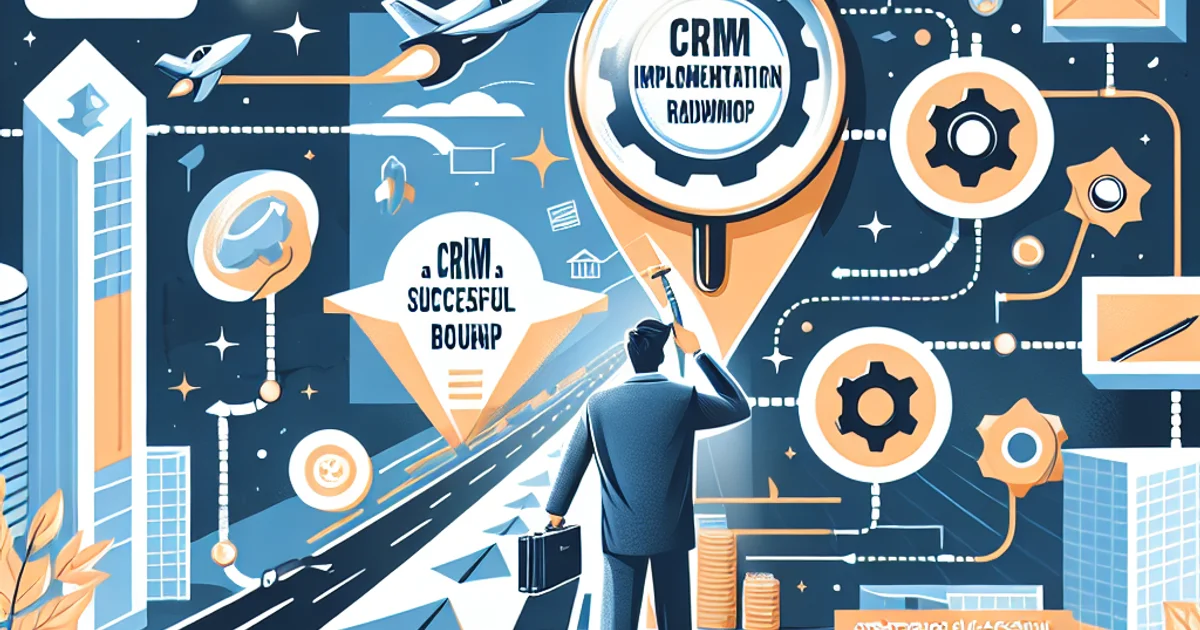
Crafting a crm implementation roadmap for startups
Implementing a CRM (Customer Relationship Management) system isn't just about plugging in software and pressing go. For startups, navigating this path can be a transformative journey—one that requires strategy, patience, and adaptability. This guide is specifically crafted for entrepreneurs and small teams looking to harness CRM to scale their customer interactions while sidestepping common pitfalls.
The practical framework
Creating a CRM implementation roadmap is akin to building a foundation for future growth. Here's a step-by-step workflow that can guide startups through this process:
Define objectives and success metrics
Begin by clearly identifying what you want to achieve with your CRM. Is it to streamline customer communication, increase sales efficiency, or improve data analysis? Establishing these goals will shape your entire implementation strategy.
Select the right CRM platform
Choose a CRM that aligns with your startup's needs and budget. Consider factors like scalability, user-friendliness, and integration capabilities. Remember, the best CRM is one that your team will actually use.
Plan the implementation phases
Break down the implementation into manageable phases. Start with core functionalities that address your immediate needs, and gradually integrate more complex features. This phased approach helps in mitigating risks and managing change effectively.
Data migration and cleaning
Moving existing customer data into the new CRM system is a crucial step. Take this opportunity to clean and update your data, ensuring that you only migrate relevant and accurate information.
Customize the CRM system
Tailor the CRM to fit your startup's unique processes. This might involve configuring fields, creating workflows, and setting up reports. Customization enhances user experience and aligns the tool with your operational style.
Train your team
Invest in thorough training for your team members. This includes not just how to use the CRM, but why it matters. Encourage a culture of continuous learning and improvement.
Monitor and iterate
After the initial rollout, keep a close eye on how the CRM is being used. Gather feedback from users and make necessary adjustments. Iteration is a natural part of the implementation process.
Example scenarios
Consider a small tech startup with a team of five, aiming to improve their sales tracking and customer communication. With limited time and budget, they opt for a phased CRM rollout. They start by implementing basic contact management and gradually add features like email integrations and advanced analytics. By prioritizing their needs, they avoid overwhelming their team and ensure a smooth transition.
Another example is a boutique marketing agency with shifting priorities. They initially focus on client project management within the CRM to streamline workflows. As they grow, they expand to include lead management and automated reporting. This flexible approach allows them to adapt to changing business needs without disrupting operations.
Common mistakes
Many startups stumble during CRM implementation due to avoidable errors. Here are some common pitfalls and how to address them:
Overcomplicating the setup
Complexity can be overwhelming. Start with essential features and expand as needed. Simplicity fosters adoption and reduces resistance.
Neglecting team input
Ignoring the insights and feedback from your team can derail the process. Involve them early and often to ensure the CRM meets their needs.
Inadequate training
Assuming that users will figure it out themselves often leads to underutilization. Provide comprehensive training and resources to boost confidence and competence.
Skipping data cleaning
Migrating bad data into a new system can lead to poor outcomes. Clean and verify data before migration to maintain CRM effectiveness.
Ignoring ongoing maintenance
CRM isn’t a set-and-forget tool. Regularly review and update the system to adapt to new business challenges and opportunities.
Options & trade-offs
When choosing a CRM approach, startups have several options, each with its trade-offs:
Cloud-based vs. on-premise
Cloud-based CRMs offer flexibility and lower upfront costs, ideal for startups. However, they may involve ongoing subscription fees. On-premise solutions offer more control but require significant IT resources.
Custom vs. off-the-shelf solutions
Custom CRMs can be tailored to specific needs but are costly and time-intensive. Off-the-shelf options are more affordable and quicker to deploy but may lack some specialized features.
Timeline & effort
Implementing a CRM typically unfolds over several months, with each phase building on the last. Initial setup might take a few weeks, followed by data migration and customization. Training and iteration are ongoing efforts. Expect challenges like user resistance or technical hiccups, but these can be mitigated with careful planning and communication.
Costs
CRM costs vary widely based on the platform, customization, and user count. Licensing fees, training expenses, and potential IT support are key cost drivers. Startups should budget for both initial and ongoing costs, ensuring that the investment aligns with their growth plans.
Wrap-up & next steps
To successfully implement a CRM in a startup, consider the following steps:
- Clearly define your CRM goals and objectives.
- Select a CRM that fits your needs and budget.
- Plan a phased implementation to manage resources effectively.
- Ensure data cleanliness before migration.
- Prioritize team training and ongoing support.
- Regularly review and iterate to improve CRM usage.
For more insights and tools to enhance your CRM strategy, explore the features at Foundbase.
Frequently asked questions
Q: What are the initial steps in a CRM implementation roadmap for startups?
The initial steps include defining your business goals, selecting the right CRM software, and ensuring your team is prepared for the change. It's crucial to understand how the CRM system can support your specific needs and growth plans.
Q: How can a startup ensure successful CRM adoption and onboarding?
To ensure successful adoption and onboarding, provide comprehensive training to your team, integrate CRM with existing tools, and foster a culture of data-driven decision-making. Continuous support and user feedback are also essential.
Q: What challenges might arise during CRM implementation in startups?
Common challenges include resistance to change, lack of understanding of CRM features, and insufficient integration with other systems. Having a clear plan and leadership support is key to overcoming these challenges.
Related guides

crm for lead conversion optimization: boost sales
Discover how to optimize your CRM to improve lead conversions. Gain insights into strategies and practical tips to boost your sales.
Rasmus Rowbotham
crm for startup customer success: Boost growth
Discover how crm for startup customer success can enhance your business growth. Implement effective strategies and tools for small teams.
Rasmus Rowbotham
crm customization for startups: Boost efficiency
Learn how to customize your CRM for your startup and enhance efficiency. Get tailored solutions and optimize your business.
Rasmus Rowbotham